

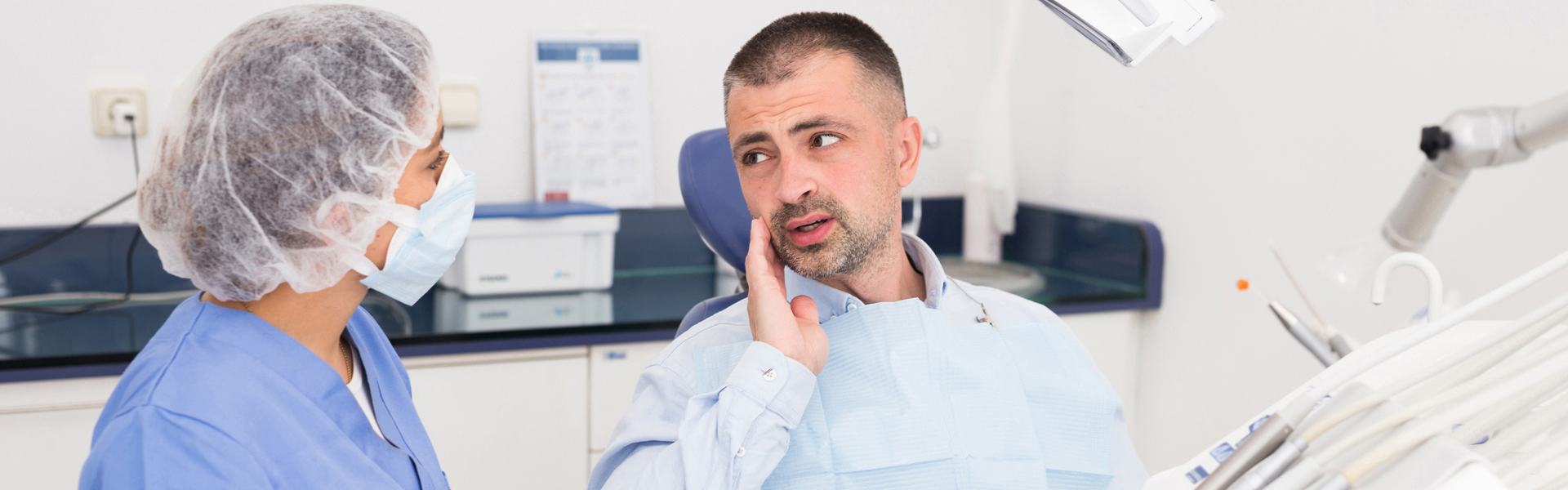
Signs You Need Emergency Dental Care Immediately
A sudden toothache at midnight. A cracked tooth after a weekend game. A swollen jaw that seems to get worse by the hour. Dental problems rarely arrive at a convenient time and some situations need fast treatment, not a wait-and-see approach.
Many people are unsure whether they need emergency dental services or if the issue can wait for a regular appointment. Knowing the difference can protect your oral health, reduce pain and even save a tooth.
This blog explains the warning signs that require immediate attention, what to do before reaching a dental office and why acting quickly matters.
Severe Tooth Pain That Does Not Go Away
Not every toothache is an emergency. Mild sensitivity after eating something cold can often wait. Persistent or intense pain is different.
Discomfort that prevents you from sleeping, discomfort in your jaw or that does not get better with time may be an indication of:
- A deep cavity
- A dental abscess
- An infected nerve
- Advanced tooth decay
A study carried out by the American Dental Association revealed that dental infections can spread beyond the tooth and penetrate the surrounding tissues if they are not properly treated. Severe complications can be avoided with early treatment. Pain is your body’s warning system. Ignoring it rarely makes the problem disappear.
Swelling in the Face, Jaw, or Gums
Swelling is one of the clearest signs that something serious may be happening. A dental infection can create pressure inside the gums and surrounding tissues. In some cases, swelling develops quickly and may affect speaking, eating or swallowing.
Symptoms that require immediate care include:
- Noticeable facial swelling
- Red, tender gums
- Increasing swelling.
- Fever along with oral pain
The infection that has not been treated may spread to other parts of the body. It is possible to consider the infection at the moment in order to prevent its deterioration to a more complex phase using emergency dentistry near you.
A Knocked-Out Tooth Requires Fast Action
Time matters when a permanent tooth gets knocked out. Dentists often have the highest chance of saving the tooth if treatment happens within 30 to 60 minutes.
A patient who receives care quickly may avoid more extensive procedures later. Delayed treatment often reduces the possibility of successful reattachment.
Handle the tooth by the crown, not the root. Rinse it gently if dirty and keep it moist while traveling to an Emergency Dentist.
Those few extra minutes can make a major difference.
A Broken or Cracked Tooth
Tiny surface chips may not require urgent treatment. Deep cracks are another story. A cracked tooth can expose sensitive inner layers and allow bacteria to enter. Pain does not always manifest itself instantly, thus deceiving people into thinking the injury is not serious.
Typical red flags are:
- Painful bite.
- Sensitivity to temperature
- Visible fractures
- Blood around the tooth.
Timely intervention will save the tooth structure and reduce the chances of infection.
Bleeding That Will Not Stop
A small amount of bleeding after brushing too hard is usually not a dental emergency. Continuous bleeding after an injury is different.
Excessive bleeding can be a sign of destruction of the gums, soft tissue or the structures on which the teeth are supported. Professional attention should be paid in case of bleeding despite the use of gentle pressure.
Cases involving sports injuries, falls, or accidents should always be assessed promptly.
Signs of a Dental Abscess
A dental abscess is a pocket of infection that develops around a tooth or gum. Many patients describe the pain as throbbing, deep and constant.
Other symptoms may include:
- A bad taste in the mouth
- Fever
- Swollen lymph nodes
- Gum swelling
- Pus near the affected tooth
According to healthcare experts, untreated abscesses can lead to serious health complications. Immediate treatment is essential to control the infection and relieve discomfort.
Lost Fillings, Crowns, or Dental Restorations
A missing filling may seem like a minor inconvenience. Sometimes it exposes vulnerable tooth structure and creates intense sensitivity. The longer the tooth remains unprotected, the greater the chance of additional damage.
Infection and fractures may also be more likely to occur as a result of a lost crown. Early treatment of the tooth can prevent the affected tooth from deteriorating.
Difficulty Opening Your Mouth or Swallowing
Problems with swallowing or opening the mouth should never be ignored.
These symptoms may indicate:
- A severe infection
- Jaw trauma
- Significant swelling
- An abscess affecting surrounding tissues
Difficulty breathing alongside these symptoms requires immediate medical attention.
What to Do Before Reaching a Dentist
Fast action can help reduce damage while you seek treatment.
Follow these simple steps:
- Wash your mouth with warm water.
- Use a cold compress to ease swelling.
- Wipe up with clean gauze.
- Retain any pieces of broken teeth.
- Call a dental office.
Professional treatment should not be substituted for temporary home care. It just assists in controlling the situation till there is the care available.
Why Waiting Can Make the Problem Worse
Dental emergencies often become more expensive and more complicated when treatment is delayed.
- A small infection may turn into a severe abscess.
- A cracked tooth may become unsalvageable.
- A knocked-out tooth may be lost permanently.
Many emergency cases start as manageable problems. Quick intervention usually means fewer procedures, lower costs and better outcomes.
Conclusion
Dental emergencies can happen without warning. Severe pain, swelling, uncontrolled bleeding, knocked-out teeth and signs of infection all deserve immediate attention. Early detection of these symptoms and prompt professional care can save your smile and even your health. Whenever you have an urgent need in dental issue, the team with more than ten years of experience at Preferred Dental is on hand to give you the fast, caring service you need most.
FAQs
A dental emergency includes severe pain, swelling, infections, knocked-out teeth, uncontrolled bleeding, or injuries that require immediate treatment.
Contact an Emergency Dentist as soon as possible if you experience intense pain, facial swelling, trauma, or signs of infection.
Yes. Severe or persistent tooth pain may indicate infection or nerve damage and should be evaluated quickly.
Seek emergency dental care immediately, ideally within 30–60 minutes. Quick treatment gives the best chance of saving and reattaching the tooth.