

Complete Guide to Full Mouth Dental Implant Surgery
Living with missing teeth is just plain exhausting. Loose dentures are no fun either. Simple things, like chewing a good steak or laughing out loud, suddenly become stressful moments. Here is a quick fact: millions of adults lose all their teeth by their senior years. It happens. But relying on slippery, gooey adhesives is not the only way forward. Modern dentistry has a permanent alternative. This guide breaks down what to expect from full mouth dental implants services. We will look at the actual costs, the healing timelines, and the everyday perks.
What Are Full Mouth Dental Implants?
A full mouth dental implant surgery sounds big. But it does not mean replacing every single tooth with an individual metal screw. No way. That would require thirty-two separate surgeries! That would be painful, slow, and unnecessary.
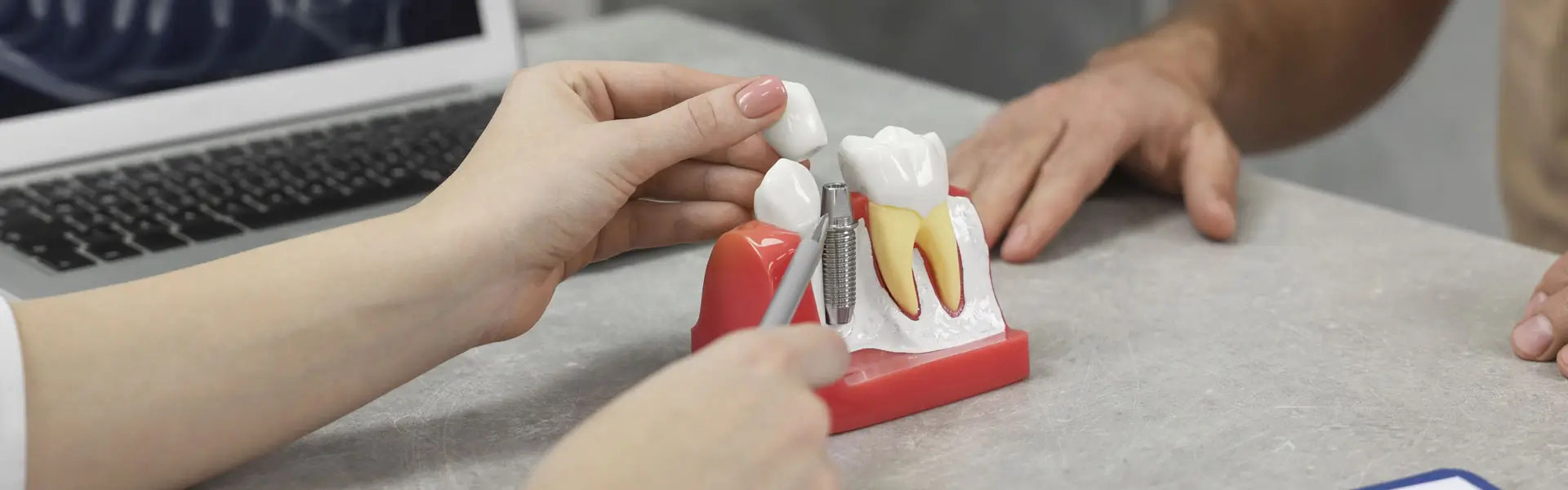
Instead, a dental professional strategically places four to six titanium posts into the jawbone. Think of these small posts like tough artificial tooth roots.
Once these posts heal up, they tightly secure a custom-made bridge of natural-looking teeth. The final result? A rock-solid smile that stays locked right in place. You do not take them out at night, and you can finally throw away those messy glues.
Step-by-Step Breakdown of the Process
The whole journey requires a few distinct phases. This ensures your new teeth last a lifetime. Skipping steps leads to failures, so a slow, patient approach works best here.
- The Initial Consultation: Doctors use 3D cone beam scans to map out your bone density. They also check nerve locations to find the absolute safest spots for the anchors.
- Preparatory Care: Next any remaining unhealthy or broken teeth are carefully pulled. The doctor might perform a bone graft if your jawbone is a bit too thin.
- The Surgical Placement: The doctor makes small incisions in the gums. Then they gently anchor the titanium roots into the bone while you rest comfortably under sedation.
- Temporary Smile Fit: You won’t leave toothless! A lightweight temporary set of teeth is attached that very same day so you can eat soft foods while things heal.
- Osseointegration Period: This is the big step. Your jawbone spends three to six months growing directly around the titanium. It basically welds the metal permanently to your body.
- The Final Delivery: Lastly, your temporary bridge is swapped out. You get a highly durable, permanent smile made of porcelain or zirconia.
Understanding the Financial Investment
Let’s talk about the money side of things. The cost of premium full-arch restorations varies a lot based on your oral health baseline. Usually a single arch spans between fifteen thousand and thirty thousand dollars. If you need extensive bone reconstruction or sinus lifts first, that total price goes up.
Note on Insurance: Many dental insurance plans treat this as a cosmetic choice. However, some PPO plans do offer partial coverage for the teeth extractions or the diagnostic X-rays.
To make care easier to afford, modern dental offices offer tailored in-house memberships. They also offer monthly payment installments to help spread out the cost over time.
Timeline for Recovery and Healing
The first three days after your surgical appointment will involve some mild swelling. You will probably feel some manageable soreness too. Ice packs and over the counter pain relievers keep this totally comfortable. Most individuals return to regular office work within two to four days.
Dietary adjustments are super critical during the first few months. You must stick to soft options. Good choices include:
- Scrambled eggs
- Yogurt
- Pancakes and soft pasta
- Flaky fish
Biting into hard apples or tough meats too early is a bad idea. It can disturb the healing bone anchors before they fully fuse together.
Long-Term Maintenance and Care
Caring for fixed implant bridges is actually pretty straightforward. Why? Because they do not decay like real tooth enamel. No cavities! However, the surrounding gum tissue still requires diligent hygiene to prevent infections.
- Brush twice every single day using a soft-bristled toothbrush and non-abrasive toothpaste.
- Use a water flosser daily to flush away trapped food particles hidden beneath the bridge.
- Schedule professional dental cleanings twice a year to verify the stability of the metal components.
Conclusion
Choosing to rebuild your smile changes your day-to-day life. It helps everything from your digestive health to your social confidence. While the process requires some time, the rewards of a durable, functional smile far outweigh the temporary healing phase.
Ready to discover if you are a candidate for specialized full mouth dental implant services? Connect with the experienced dentist near me at Preferred Dental to schedule your personalized consultation today.
Frequently Asked Questions
This surgical procedure replaces all missing teeth in an upper or lower arch using four to six titanium anchors placed permanently into the jawbone to hold a fixed bridge.
Patients do not feel pain during the treatment due to local anesthesia or deep sedation. Mild soreness and minor swelling occur post-surgery but fade within a week using standard pain relievers.
The titanium anchors can last for life if kept clean. The attached porcelain or zirconia bridge experiences normal wear and often lasts fifteen to twenty-five years before needing minor updates.
Yes, most immediate-load protocols allow a doctor to attach a temporary, functional set of teeth on the same day as your surgery so you never leave the office without a smile.